

Build a New Mobile MVP
Turn a defined product idea into a focused first release. I'll help translate the core user journey into a practical implementation scope, considering the backend, platform requirements, and release from the beginning.
Flutter & React Native Development
From a first MVP to a major feature in an existing app, I build Flutter and React Native products with the backend, integrations, testing, and release requirements in mind.
A production mobile app requires more than clean UI screens—it depends on reliable APIs, resilient authentication, robust state management, and strict app store compliance.
I engineer cross-platform mobile applications with those connections in mind, bringing the technical pieces together for a stable, maintainable launch.
Built with clean architecture, strong type safety, and real-world reliability.
SettleTab / Android product engineering
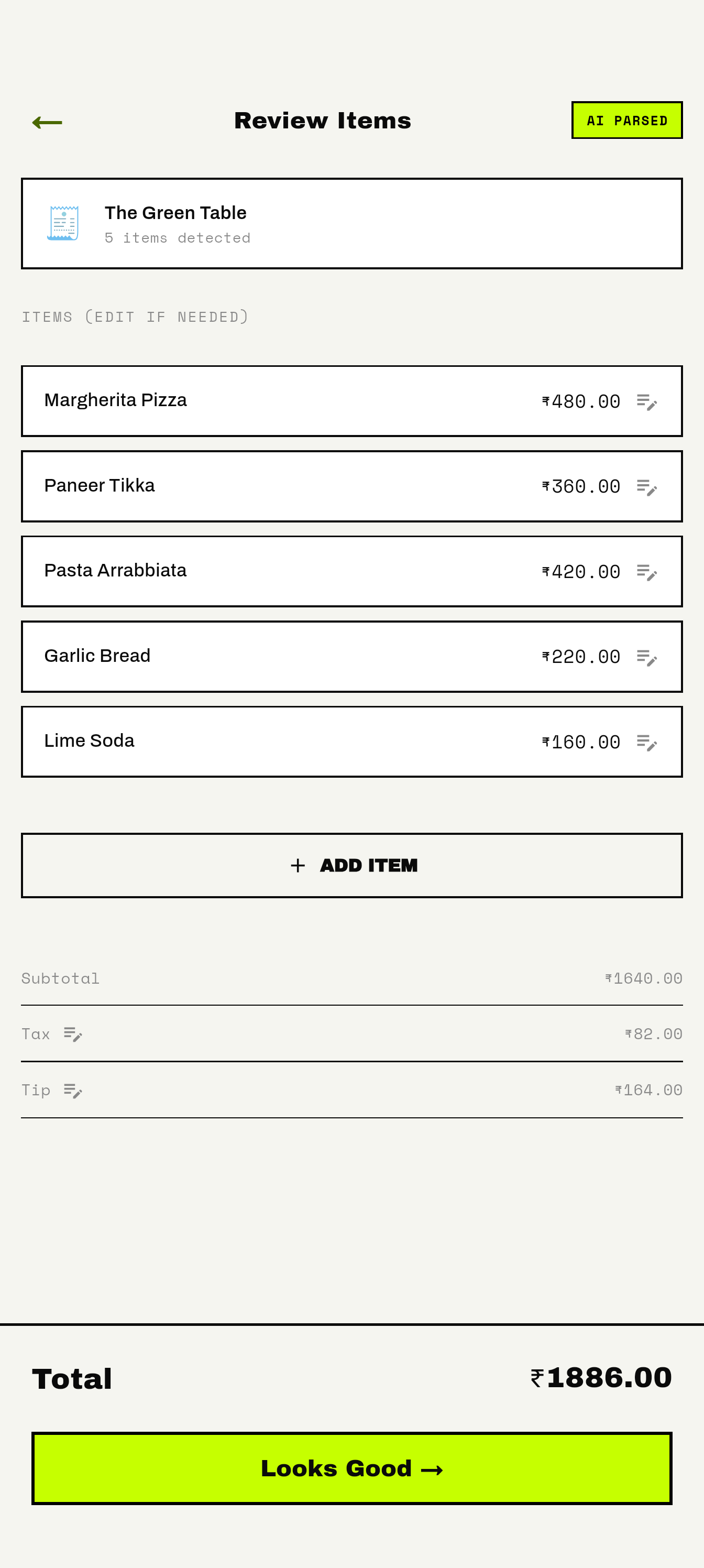
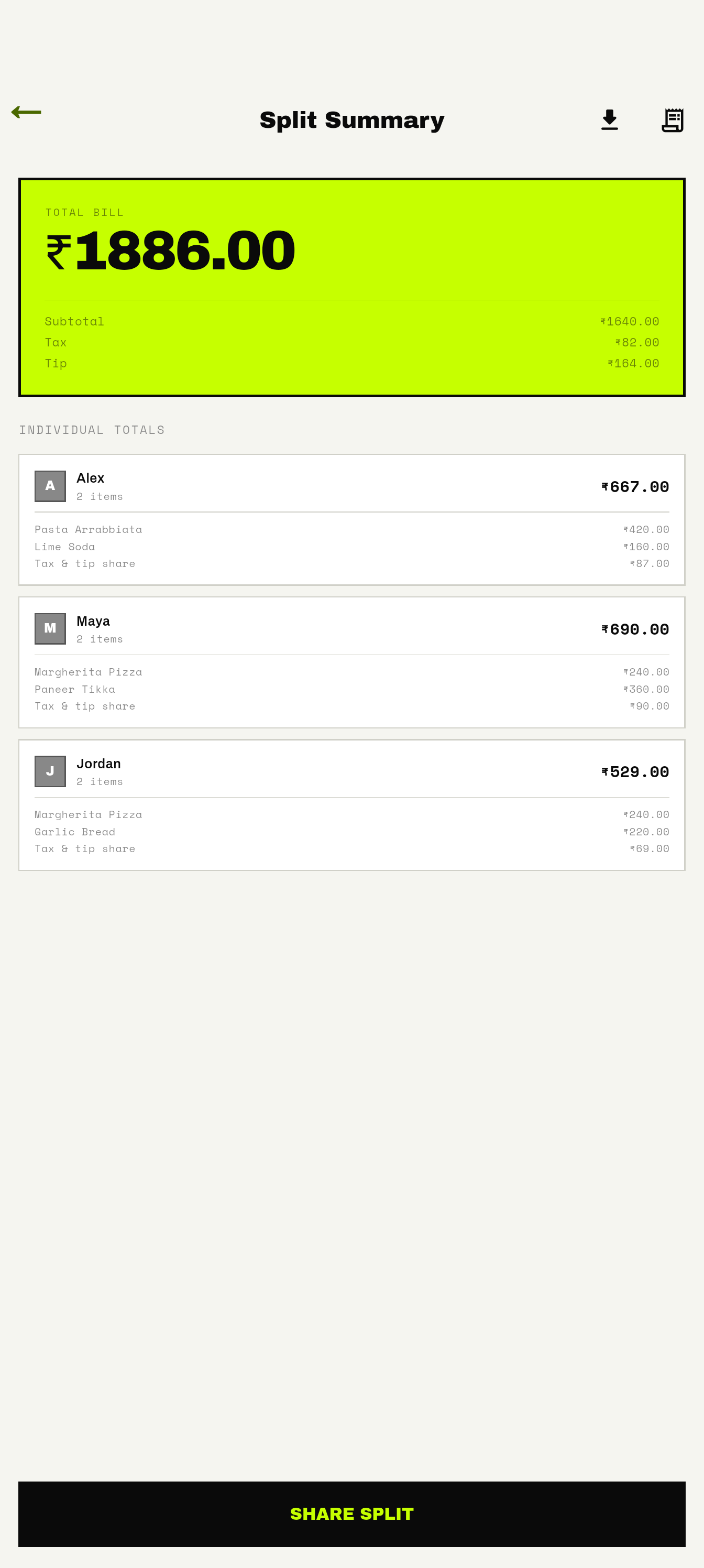
Mobile product ownership around receipt input, editable itemized data, user correction, and bill-splitting workflows.
The review and summary screens show the correction-to-calculation handoff. The case study details the Flutter app, Supabase backend, sharing, and Android release responsibilities; these screens do not establish adoption or business outcomes.
Where I can help
Whether you're starting from scratch, continuing development, or preparing for release, I help at different stages of a product's lifecycle:
Turn a defined product idea into a focused first release. I'll help translate the core user journey into a practical implementation scope, considering the backend, platform requirements, and release from the beginning.
Your product is already running, but the next feature needs attention. I can work within your existing architecture, integrate with established systems, and add functionality without rebuilding unrelated parts.
Some features touch multiple parts of a product. I can work across the interface, state management, APIs, database rules, authentication, notifications, and native integrations needed to deliver the complete experience.
If you have an existing web application or backend, I can design and build a mobile companion app that connects cleanly with your existing APIs, authentication, and database.
I develop cross-platform apps with Flutter and React Native while writing native Kotlin (Android) or Swift (iOS) code when platform channels, background tasks, or device hardware require it.
Getting an app onto the App Store and Google Play involves more than hitting build. I assist with store compliance, release builds, assets, privacy declarations, and permission configurations.
Case studies
These products reflect my mobile engineering work across product architecture, deterministic business logic, and real-world mobile release preparation:
SettleTab is a live Android app for itemized shared bills. People can scan a receipt or enter items manually, correct the bill, assign individual and shared purchases, calculate what each person owes, and share a read-only result.
Mobile product ownership around receipt input, editable itemized data, user correction, and bill-splitting workflows.
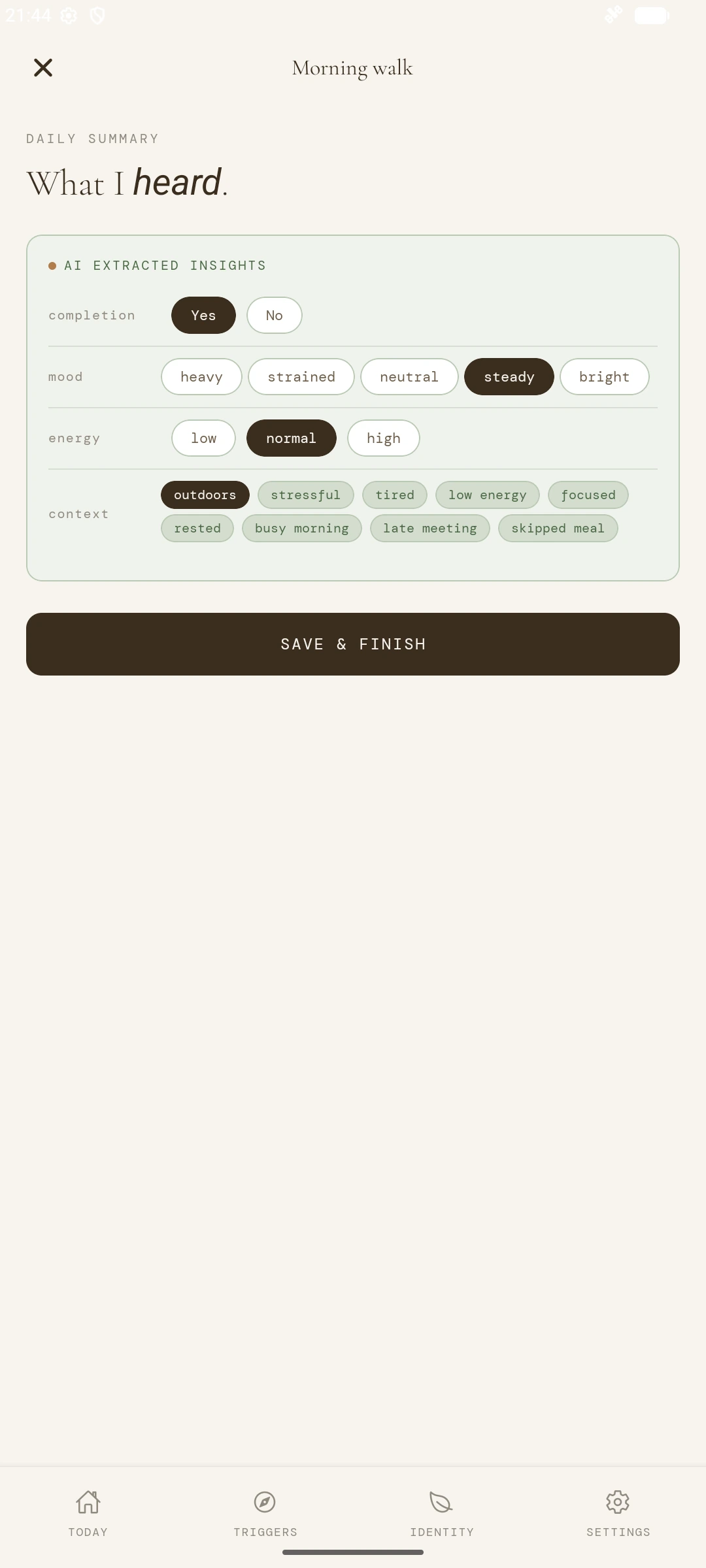
Tare is a mobile habit reflection app that saves original check-ins, proposes structured fields for user review, and uses recorded history for progress views and insight paths.
React Native habit reflection with saved original entries, reviewable AI check-ins, and Supabase data rules.
Connected engineering
A mobile application doesn't exist in isolation. Delivering a reliable product usually involves work across four connected areas:
Navigation, layouts, state management, forms, accessibility, and error states.
Authentication, Supabase, PostgreSQL, APIs, storage, real-time behavior, and server-side functions.
Notifications, subscriptions, payments, analytics integrations, and third-party services.
Permissions, deep links, Android/iOS configuration, and native SDK integration.
Fewer handoffs
Instead of treating these layers as separate projects handled by different people, I connect them into a single engineering effort focused on the product experience.
That means fewer communication gaps, faster decisions, and a product that works as a cohesive whole from day one.
One engineering owner connecting the product from interface to backend
Clear architectural boundaries between UI, business logic, and APIs
Fewer handoffs between design, frontend, and backend implementation
Navigation, layouts, state management, forms, accessibility, and error states.
Authentication, Supabase, PostgreSQL, APIs, storage, real-time behavior, and server-side functions.
Notifications, subscriptions, payments, analytics integrations, and third-party services.
Permissions, deep links, Android/iOS configuration, and native SDK integration.
Client flow connects through cross-runtime code to system APIs and to edge functions and Supabase state. Backend integration and release support follow the product scope; this is a responsibility model, not a deployment diagram.
Production quality
A mobile app that looks good in a demo can still fail in real use. During development, I focus on the engineering details that affect production quality:
Handling timeouts, offline states, and graceful retries so the user never sees a broken screen.
Preserving form input, draft data, and navigation state across backgrounding and process termination.
Automating silent refresh, session expiration handling, and secure storage for credentials.
Designing deterministic state flows that survive lifecycle events without duplicate dispatches.
Structuring modules with clear separation of concerns, idiomatic conventions, and automated test coverage.
Configuring build flavors, signing profiles, native permissions, and privacy manifests correctly from the start.
Building for production means thinking about these questions during development, not after release.
Delivery process
Every project has unique requirements, but a structured development process keeps work predictable and transparent:
We define what the product or feature needs to do, what the technical constraints are, and what a successful release looks like.
I evaluate architecture options, state management, backend requirements, and external integrations before writing significant code.
Development happens in milestones. You see working code, test progress on real devices, and provide feedback as the product takes shape.
I test error handling, network edge cases, configuration variations, and platform-specific behaviors to ensure stability.
I assist with app-store configuration, build signing, release assets, permission declarations, and store review requirements.
After release, I can help monitor early issues, deliver the next feature set, or hand off the codebase to your internal team.
Engagement options
Whether launching a greenfield MVP or delivering critical new functionality inside an existing application, engagements are structured around clear technical milestones.
Senior mobile engineering from idea to production app, or high-stakes feature delivery for existing products.
Engagements are estimated based on agreed architectural milestones, screens, and integration requirements. Payments are tied to demonstrable working milestones.
Frequently asked questions
Common questions about mobile development, frameworks, and collaboration:
The right choice depends on your existing technology, team, product requirements, integrations, and long-term plans. I work with both and recommend a suitable approach after understanding the project.
Yes. I can own an agreed feature or workstream while participating in your current Git, review, QA, planning, and release workflows.
Yes. Depending on scope, I work across Supabase, PostgreSQL, APIs, authentication, storage, real-time features, and server-side functions.
Yes. A well-defined feature can be a good engagement when its dependencies and responsibilities are clear.
I can support production builds, configuration, signing, and store preparation as part of an agreed scope.
Yes. I review the existing codebase and its important constraints before recommending changes.
Tell me what you're building, the stage you're at, and where you need engineering support.
I'll help you identify a practical technical approach and next steps.
Or email hello@divweavers.com